The Definitive Guide to Finding Your Perfect Tennis Bracelet
Picking the perfect tennis bracelet involves careful consideration of various factors. From historical significance to contemporary styles, the options can be overwhelming. Understanding the materials and designs is essential for making an informed decision. Additionally, determining the right fit and budget plays a critical role. As one navigates through these elements, the journey reveals beyond a piece of jewelry; it uncovers a lasting symbol of elegance and sentiment. What comes next may amaze you.
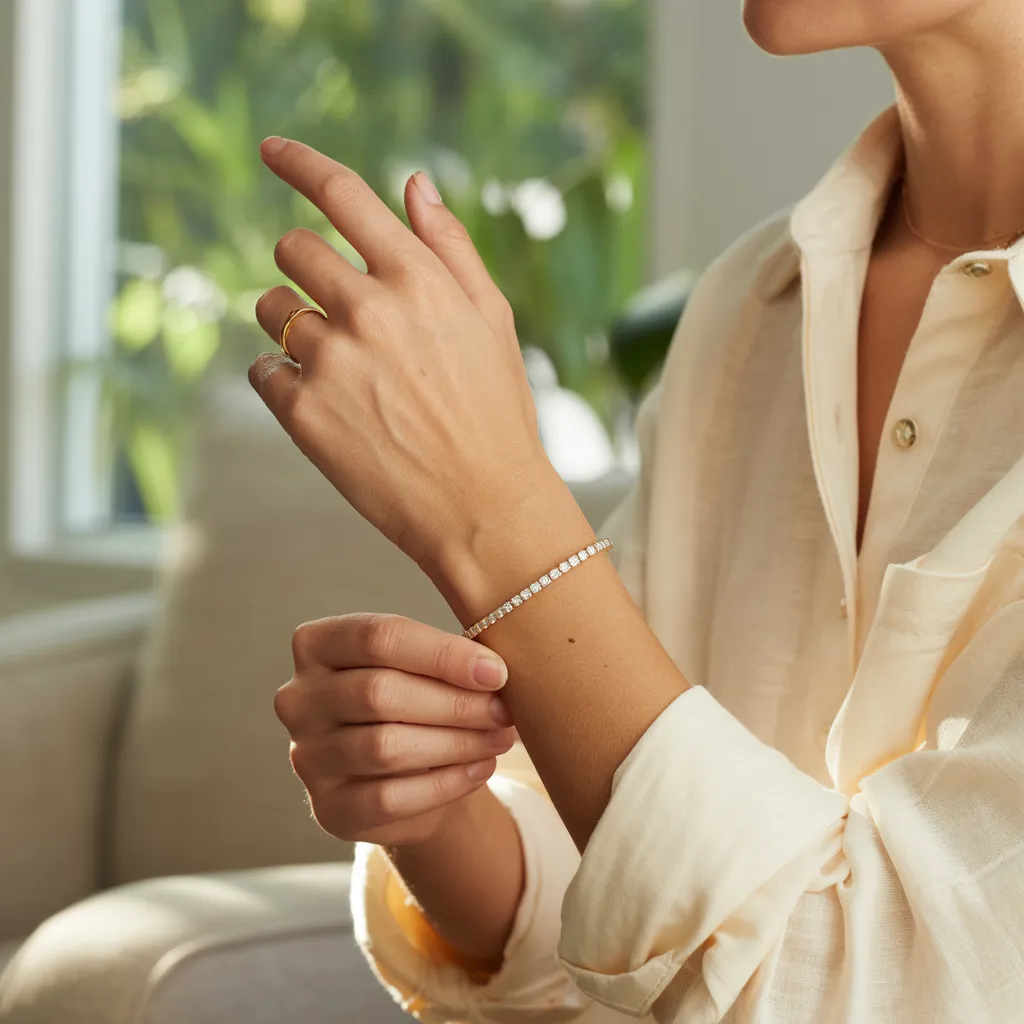
Comprehending the Origins and Symbolic Nature of Tennis Bracelets
Tennis bracelets, celebrated for their sophisticated design and enduring charm, possess a fascinating history that combines athletics and elegance. The phrase "tennis bracelet" rose to fame in the 1980s when professional tennis player Chris Evert memorably sported one during a match at the US Open. When her bracelet snapped, the match was halted to search for it, attracting the attention of viewers and media representatives. This incident cemented the bracelet's association with the sport and turned it into a stylish accessory.
On a symbolic level, tennis bracelets embody both grace and resilience. Their unbroken line of diamonds or gemstones denotes everlasting love and commitment, making them favored choices for gifts on important occasions. Over the years, these bracelets have developed into a staple in jewelry collections, fusing athleticism with sophistication. As a result, they have become much more than just sportswear; they represent a legacy of elegance and a celebration of lasting beauty.
Choosing the Correct Materials: Diamonds vs. Gemstones
Picking the right materials for a tennis bracelet is vital in achieving the desired aesthetic and personal significance. Diamonds are the classic choice, known for their brilliance and durability. They represent timeless elegance and sophistication, making them a favored option for those seeking a luxurious statement piece. However, diamonds can be costly, which prompts some people to contemplate alternative materials.
Gemstones present a brilliant array of colors and can represent personal taste or birthstones, bringing unique meaning to the bracelet. Selections like sapphires, emeralds, or rubies can create a stunning contrast against the metal, allowing for more creativity in design. While they may not have the comprehensive guide same level of hardness as diamonds, many gemstones can still be suitable for everyday wear with proper care. In the end, the selection between diamonds and gemstones relies on individual preferences, budget, and the desired emotional connection to the piece.
Examining Different Styles and Designs
How does someone pick the ideal style for a tennis bracelet? The selections are plentiful and can substantially influence the general aesthetic. Classic designs typically feature a single row of diamonds or gemstones, providing a timeless elegance that suits both the casual and formal occasions. For those looking for a modern twist, multi-row bracelets feature varied stone sizes and shapes, providing depth and intrigue.
A widely-used style includes the bezel setting, where each stone is encased in a metal frame, improving durability while offering a contemporary flair. Additionally, some designs utilize mixed materials, such as gold or platinum, which can generate a striking contrast with the stones.
It's also important to consider the color palette, as tennis bracelets come in various hues, from classic clear diamonds to striking gemstones. In the end, one's taste and lifestyle will determine the selection of the most fitting style, securing a perfect match for any individual.
Establishing the Ideal Length and Fit
Finding the ideal length and fit for a tennis bracelet is essential to ensure both comfort and style. A correctly fitted bracelet should embrace the wrist without being too tight or loose, permitting easy movement. To find the correct size, one can measure the wrist using a flexible measuring tape or a piece of string, marking the length and adding approximately half an inch for a comfortable fit.
Tennis bracelets usually range from 6.5 to 7.5 inches in length, designed for multiple wrist sizes. It is recommended to try on several lengths to discover which feels the most pleasant and looks the best. Moreover, consider the design; a more elaborate style may demand a slightly larger fit to guarantee it drapes gracefully. Ultimately, the optimal length and fit should elevate the overall appearance while offering the comfort needed for everyday wear or special occasions.
Establishing Your Budget: What to Expect at Different Price Ranges
Setting a budget for a tennis bracelet requires an understanding of the diverse price ranges found in the market. Aspects such as materials, craftsmanship, and brand reputation substantially influence the overall cost. It is essential to weigh the value against quality to make an informed decision.
Comprehending Pricing Ranges
When setting a budget for a tennis bracelet, understanding the diverse price ranges is crucial. Tennis bracelets typically range from $100 to over $10,000, depending on materials and craftsmanship. Lower-priced options often feature basic designs with man-made stones, appealing to cost-aware shoppers. Moderately-priced bracelets, usually priced between $500 and $2,500, often incorporate superior materials like sterling silver or gold plating with genuine gemstones. High-end bracelets, priced above $5,000, typically showcase top-tier materials like solid gold, platinum, and superior-grade diamonds. Shoppers should evaluate their preferences and desired quality when setting a budget, as well as the emotional significance of the purchase. This understanding helps refine options and guarantees a suitable match for personal preferences and budget constraints.
Factors Affecting Cost
A tennis bracelet's price can fluctuate significantly determined by several key factors. Firstly, the type of metal used greatly influences the price; options include everything from sterling silver to platinum. Second, the quality and size of the gemstones, usually diamonds, substantially influence the cost. Bigger, premium-grade stones will substantially raise the price. Furthermore, the craftsmanship and brand reputation serve a crucial function; renowned designers often require higher prices for their pieces. Furthermore, the total carat weight of the diamonds influences overall pricing, with heavier bracelets generally costing more. Lastly, market trends and demand can also sway prices, making it crucial for buyers to establish a realistic budget based on these influencing factors before making a purchase.
Quality vs. Value
Grasping the balance between value and quality is essential for anyone seeking to buy a tennis bracelet. Price points for these bracelets can vary greatly, influenced by factors such as the materials used, craftsmanship, and brand reputation. Luxury options often feature top-tier materials like diamonds set in solid gold or platinum, offering exceptional quality and durability. Moderate choices may include sterling silver or gold-plated options, delivering a balance between affordability and quality. Affordable alternatives typically use synthetic stones or lesser-quality metals, which can reduce longevity. In the end, consumers should consider their priorities—whether it's the prestige of a luxury brand or the practicality of a more budget-conscious piece—to ensure they invest wisely without sacrificing their personal style or satisfaction.
Your Tennis Bracelet: Care and Maintenance Tips
Caring for a tennis bracelet is essential to retaining its longevity and beauty. Regular cleaning, proper storage, and recognition of potential damage risks are important practices for any owner. By following these maintenance tips, one can guarantee their bracelet remains as stunning as the day it was bought.
Routine Cleaning Techniques
Preserving the brilliance of a tennis bracelet demands regular cleaning to stop dirt and oils from dulling its sparkle. It is recommended to clean the bracelet every few weeks, especially if worn regularly. A mild solution of warm water and mild soap can be effective; immersing the bracelet for a few minutes followed by a delicate brush can help clear away persistent grime. After cleaning, flushing thoroughly with clean water is crucial to eliminate any soap residue. Wiping the bracelet with a soft, lint-free cloth ensures no moisture remains, which could lead to tarnishing. For extra care, professional cleaning and inspection once a year can help maintain the quality and shine of the tennis bracelet, preserving its charm for years to come.
Safe Storage Guidelines
Keeping a tennis bracelet appropriately is essential for protecting its brilliance and avoiding damage. It is wise to keep the bracelet in a plush pouch or a separate compartment of a jewelry box, guaranteeing it does not make contact with other pieces that may damage or tarnish its surface. Moreover, one should avoid storing the bracelet in wet or humid environments, as moisture can lead to tarnishing or deterioration of the materials. If the bracelet features delicate stones, positioning it in a padded container will give extra protection. Periodically inspecting the storage area for dust or debris can also help sustain the bracelet's appearance. By following these safe storage practices, one can guarantee the longevity and radiance of a tennis bracelet.
Eliminating Damage Risks
Proper care extends beyond safe storage practices to actively avoiding damage risks associated with wearing a tennis bracelet. To sustain its attractiveness and quality, wearers should abstain from having the bracelet on during strenuous activities or while in the pool, because these conditions could expose it to damaging chemicals or likely impacts. Moreover, it is vital to evade exposure to moisturizers, scents, and cleaning solutions, which can discolor or diminish the metal and gemstones. Regularly checking the clasp and settings guarantees that stones remain secure and prevents loss. Polishing the bracelet softly with a tender cloth following use helps extract debris and oils, protecting its brilliance. By following these simple guidelines, one can extend the life of their treasured tennis bracelet.
FAQ
How Can I Verify if a Tennis Bracelet Is Authentic?
To verify a tennis bracelet's authenticity, one should examine the craftsmanship, look for reputable brand markings, judge the quality of materials used, and consider getting a certification or appraisal from a certified jeweler.
Is It Possible to Resize Tennis Bracelets After Buying?
Tennis bracelets are frequently resizable after purchase, depending on the materials and design. A professional jeweler can evaluate the piece, determining whether alterations can be performed without undermining its structural integrity or look.
Which Occasions Are Most Suitable for Wearing a Tennis Bracelet?
Tennis bracelets are ideal for formal occasions, candlelit dinners, and upscale gatherings. They transform casual outfits and add refinement to special occasions, making them adaptable pieces that complement everything from casual to upscale attire seamlessly.
Are Specific Insurance Options Available for Tennis Bracelets?
Different insurance options are available for tennis bracelets, including specialized jewelry policies and renter's or homeowner's insurance that covers high-value items. It's advisable to consult an insurance agent to determine the optimal coverage suited to specific needs.
How Do I Choose Between a Vintage or Modern Tennis Bracelet?
Choosing between a vintage or modern tennis bracelet relies on personal style and preference. Vintage pieces often showcase unique artistry and history, while modern designs may present contemporary aesthetics and updated materials, catering to different tastes.