Experience the Grandeur: a Deep Dive Into the Royal Collection Jewelry Line
Regal jewelry holds a distinctive role in history, embodying power and prestige throughout generations. Each piece, from tiaras to brooches, conveys a narrative of cultural significance and artistry. The craftsmanship involved is remarkable, embodying methods refined over countless generations. As one delves into these remarkable artifacts, one begins to question their influence on contemporary fashion and the enduring commitment to preserving their legacy. What hidden stories might these refined treasures disclose?
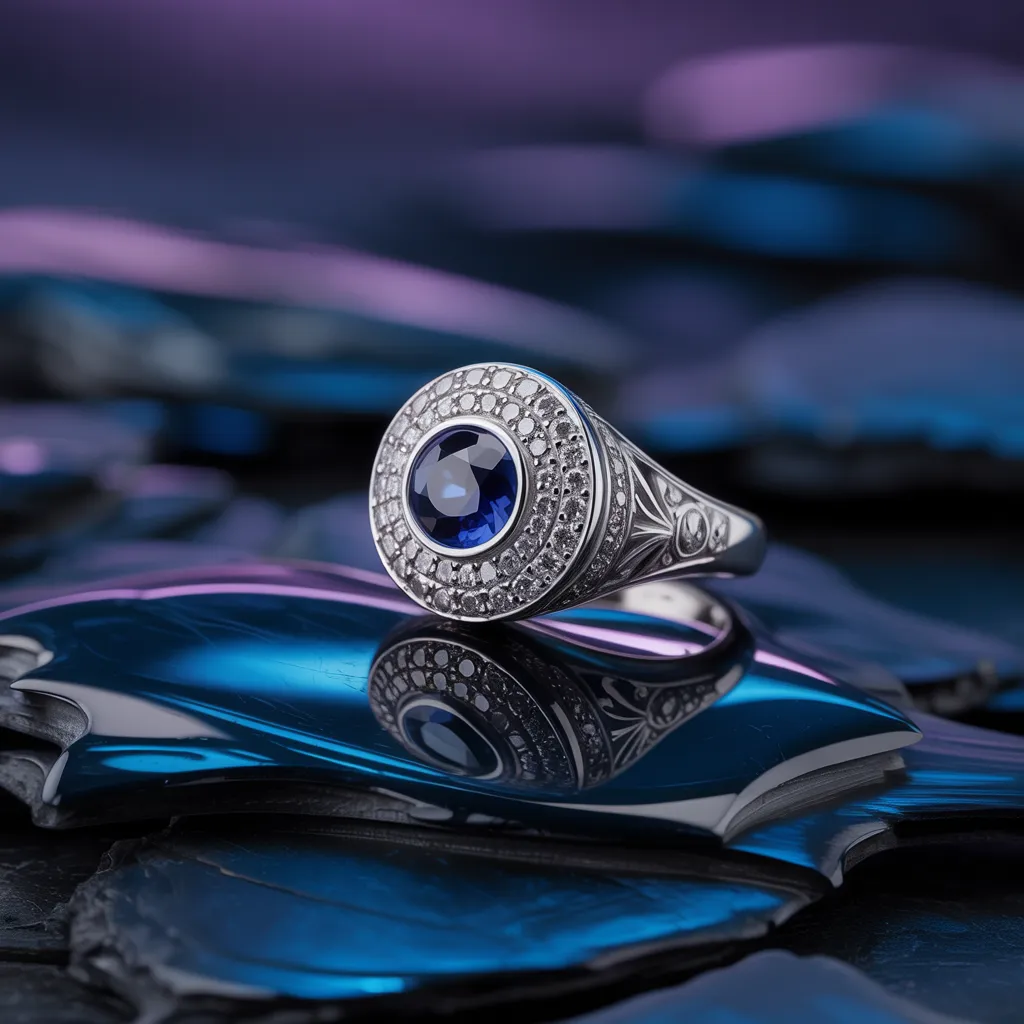
The Role of Royal Jewelry Throughout the Ages
Over the centuries, monarchical jewelry has acted as a powerful symbol of influence and distinction, showcasing the resources and power of monarchies. Such magnificent items were frequently made from the highest quality materials, including precious metals and gemstones, demonstrating the craftsmanship of jewelers and the resources of the crown. Regal adornments served more than decorative purposes but also communicated authority, legitimacy, and lineage. Crowns, tiaras, and necklaces commonly displayed detailed motifs that embodied a nation's cultural identity, while also functioning as tokens of diplomacy to strengthen political bonds. The value of these artifacts went far beyond decoration; they were fundamental elements in ceremonies, coronations, and state functions, representing lasting authority and governmental strength. As guardians of the past, monarchical adornments bridges historical eras, embodying the ambitions and achievements of royal families across centuries, rendering them priceless historical treasures.
Iconic Pieces From the Royal Collection
The Royal Collection is a repository for many of the most distinguished pieces of jewelry in the annals of history, including the illustrious Crown Jewels. These remarkable treasures not only highlight exquisite craftsmanship but also embody profound historical stories. Distinguished royal figures have greatly deepened their historical legacy, establishing them as symbols of power and heritage.
Crown Jewels Introduction
Crown jewels embody the remarkable history and lasting traditions of the British monarchy, presenting an array of magnificent artifacts that capture centuries of skilled craftsmanship and cultural significance. The most celebrated pieces include the Imperial State Crown, adorned with nearly 3,000 diamonds, and the Sovereign's Sceptre, showcasing the legendary Cullinan I diamond. The Coronation Spoon, an ancient artifact, highlights the ceremonial significance of the collection. Each piece serves a unique role during royal events, embodying the power and prestige of the Crown. The jewels are housed in the Tower of London, drawing millions of tourists each year. Collectively, they stand as an extraordinary testament to the craftsmanship and legacy of British royalty, fascinating spectators across the world.
Historical Significance Unveiled
While many pieces in the Royal Collection tell stories of power and legacy, some extraordinary artifacts are notable for their significant historical meaning. The Imperial State Crown, featuring the Cullinan II diamond, embodies the supremacy of the British monarchy and has been a fixture at the State Opening of Parliament since 1837. One additional distinguished piece is the Cambridge Lover's Knot Tiara, which is connected to Queen Mary and Princess Diana, demonstrating enduring ties and family connections within the royal line. Additionally, the Koh-i-Noor diamond, once a symbol of imperial conquest, illustrates the multifaceted connections among history, power, and cultural significance. These iconic pieces not only showcase exquisite craftsmanship but also encapsulate pivotal moments in the monarchy's storied past.
Distinguished Monarchical Figures
A great number of royal figures have been seen wearing celebrated pieces from the Royal Collection, each writing their own page in the narrative of these magnificent jewels. Queen Elizabeth II was frequently photographed in the magnificent Burmese Ruby Tiara, a precious gift from the people of Burma, symbolizing grace and resilience. Princess Diana became renowned for the striking sapphire engagement ring, which remains a symbol of her legacy. The Duchess of Cambridge, Kate Middleton, has shown a deep appreciation for these pieces, most notably donning the famous Cambridge Lover's Knot Tiara, initially designed for Queen Mary. Every royal who wore these pieces not only highlighted the exquisite artistry but also wove personal narratives and cultural meaning into the timeless elegance of the Royal Collection, securing its permanent place in history.
The Craftsmanship Behind the Royal Collection Jewelry
The craftsmanship embodied by Royal Collection Jewelry embodies a dedication to exquisite craftsmanship that transcends mere adornment. Each creation is painstakingly fashioned by talented craftspeople who apply time-honored techniques, affirming that each element is crafted with accuracy. Beginning with the careful choice of exceptional precious gems to the detailed metal craftsmanship, the production process demonstrates a commitment to excellence.
Artisans often draw inspiration from historical designs, blending tradition with modern aesthetics. This blend produces distinctive creations that not only showcase remarkable beauty but also tell a story. Techniques such as hand-setting, engraving, and filigree work are often utilized, highlighting the labor-intensive nature of each item.
The incorporation of fine metals and responsibly sourced gemstones greatly adds to the quality of Royal Collection Jewelry, rendering it a symbol of luxury and heritage. Above all, this dedication to craftsmanship guarantees that each piece remains timeless, valued across many generations.
How Royal Jewelry Reflects Cultural Traditions
Royal jewelry serves as a window into cultural traditions, presenting rich symbolism across its decorative motifs. Historical significance is apparent within the styles embraced by various regions, reflecting the values and stories of their individual societies. Additionally, regional craftsmanship techniques contribute to the defining features of every individual piece, further enriching the historical narrative woven into royal collections.
Symbolism Within Design Motifs
Fine jewelry frequently acts as a compelling vehicle for expressing heritage and cultural identity, particularly in regal collections. The decorative motifs in regal jewelry frequently embody significant cultural symbols, showcasing the beliefs and values of a civilization. As an illustration, motifs like the lotus flower in Egyptian jewelry symbolize purity and rebirth, while Celtic knotwork designs signify unity and eternity. Each element is meticulously chosen to communicate themes of power, protection, and lineage. Furthermore, the application of hues and materials commonly embodies local customs, such as the incorporation of gems considered to possess particular significance. As a result, regal jewelry does not merely function as decoration but also as a narrative device, uncovering the vibrant mosaic of heritage and cultural history through its detailed artistry.
Historical Influences On Style Trends
Despite being affected by various historical events, royal jewelry often reflects the lasting cultural heritage of a society. Each piece serves as a reflection of the principles, traditions, and practices that have shaped its legacy. For instance, the elaborate patterns found in European crowns can uncover links to ancient mythology, while Asian royal decorations often feature emblems of prosperity and harmony. The use of particular precious stones, such as sapphires and emeralds, frequently aligns with cultural significance—symbolizing wisdom or fertility, respectively. Furthermore, the techniques and design sensibilities evolve in response to sociopolitical changes, yet they perpetually respect traditional motifs and techniques. Consequently, royal jewelry extends beyond demonstrating aesthetic beauty but also embodies the vibrant mosaic of cultural heritage throughout history.
Regional Craftsmanship Techniques
Craftsmanship techniques in royal jewelry demonstrate distinct regional influences that reflect the historical customs of different cultures. In India, intricate filigree work and brilliant jewel placements highlight the country's rich heritage, often integrating patterns drawn from nature and mythology. Meanwhile, in Europe, practices like cloisonné and champlevé enamel emphasize the skill of historical craftsmen, often decorated by heraldic symbols that signify lineage and status. African royal jewelry frequently employs beadwork and metal-smithing, employing natural materials to communicate cultural symbolism and community identity. Each region's unique methods not only enrich the visual beauty of royal pieces but also serve as a demonstration of the artistry and cultural narratives that have shaped their creation through generations.
Royal Jewelry's Influence on Modern Trends
As royal households worldwide keep presenting their extraordinary collections, the effect of royal get going adornments on current fashion trends becomes progressively clear. Jewelry designers regularly derive inspiration from the classic refinement and elaborate workmanship embodied in royal pieces, incorporating these characteristics into present-day fashion. Characteristic designs, such as floral arrangements and angular patterns, commonly surface in current collections, demonstrating the perpetual charm of traditional design influences.
Furthermore, the reemergence of vintage aesthetics in jewelry can be traced back to the distinguished royal repositories that showcase luxurious gems and refined metal artistry. Online social networks amplify this reach, with prominent personalities often seen emulating regal fashion trends, further popularizing these styles among everyday consumers. Therefore, customers are consistently looking for pieces that embody majestic elegance, resulting in a combination of classic values and modern design in the contemporary jewelry industry. This meeting point not only preserves regal traditions but also influences upcoming creators of craftspeople and connoisseurs alike.
Preserving the Legacy: Conservation Work and Showcases
Regal jewelry not only impacts modern design but also requires considerable effort for protection and showcasing. Institutions responsible for these treasures employ skilled conservators who meticulously assess the condition of each piece. This involves cleaning, repairing, and ensuring the suitable environmental parameters—temperature, humidity, and light levels—to avoid degradation.
Showcases serve a vital function in highlighting these objects, permitting the general audience to recognize their artistic and historical importance. Curators collaborate to design curated presentations that tell compelling stories, connecting the histories of the pieces' backgrounds and their royal owners.
Commonly Asked Questions
Who Usually Creates Royal Collection Jewelry Items
Fine royal jewelry items are commonly created by distinguished jewelers and skilled artisans, frequently requested by noble households. These designers place emphasis on meticulous artistry, historical significance, and the careful selection of rare and valuable materials to create exquisite pieces.
How Is Royal Jewelry Authenticated?
Royal jewelry pieces are authenticated through meticulous examination by experts, who evaluate workmanship, composition, and historical origins. Supporting documents, including receipts and certificates, reinforce the genuineness, ensuring the pieces' integrity and royal lineage.
What Materials Are Typically Found in Royal Jewelry?
Traditional royal jewelry is often adorned with precious metals like gold and platinum along with an array of precious gemstones such as emeralds, rubies, diamonds, and sapphires. These precious elements represent power, wealth, and the timeless heritage of royalty.
Do Any Royal Jewelry Auctions Exist?
Indeed, royal jewelry auctions take place on a regular basis, presenting stunning pieces sourced from numerous royal collections. These events attract collectors and enthusiasts alike, offering a rare opportunity to acquire historically significant items rich in heritage and craftsmanship.
In What Ways Can the Public Access Royal Jewelry Collections?
The public can view these prestigious jewelry collections through exhibitions hosted by museums, special events, and royal residence open days. A number of collections may additionally be exhibited on the occasion of notable anniversaries or royal events, granting greater accessibility to the public.
Closing Remarks
In exploring the Royal Collection Jewelry, one uncovers a tapestry of history, artistry, and cultural significance. Each jewel not only embodies power and prestige but also highlights the remarkable artistry that has been passed down through the ages. With modern fashions constantly shifting, the timeless influence of regal jewels remains influential, linking bygone eras to today. Via continued preservation initiatives and displays, these enduring masterpieces will fascinate those yet to come, making certain that their narratives and grace are preserved.